Florida Statewide · Polyurea & Polyurethane Concrete Lifting
Polyurea Coatings & Concrete Lifting, Built for Florida's Soil and Sun
Sunken or cracked concrete? We lift and level slabs settling on Florida's soft soil, sinkhole-prone limestone, and high water tables — no demolition required. Ready to upgrade a floor instead? We spray seamless polyurea and polyaspartic coatings built to survive Florida humidity, UV, and a full hurricane season, most jobs done in a single day.
Same Day
Lift & Coat Turnaround
$5–25/SF
Polyurethane Lifting Range
Statewide
Florida Service Area
No Demo
Slab Lifting Method
Why Florida is different
Florida concrete and coatings fail for reasons most of the country never deals with
Sinkholes & Karst Geology
West-central Florida sits on porous limestone and dolomite. Acidic groundwater slowly dissolves that rock, opening voids underground that eventually let the surface above them settle or give way — the reason Pasco, Hernando, Hillsborough, Polk, Marion, and Alachua counties are known as Sinkhole Alley.
Soft Fill Soil & High Water Tables
Outside the karst belt, slabs settle for a more ordinary reason: sandy fill soil compacts unevenly under a slab's weight, and a water table sitting just a few feet down keeps that soil soft, saturated, and prone to erosion statewide — not just west of Tampa.
Humidity & UV
Florida's dew point and year-round UV index break down ordinary epoxy and big-box DIY coatings faster than almost anywhere else in the country — moisture blushing during cure, amber discoloration under sun, and early delamination at the edges.
Hurricane Season
Wind-driven rain, standing water, and storm-surge intrusion punish garage floors, patios, and pool decks every year. A coating or a slab base that can't tolerate repeated saturation doesn't survive a full hurricane season, let alone ten of them.
Two service lines, one crew
Whether your slab is sinking or your floor just needs an upgrade, it's the same trucks and the same crew
Structural
Concrete Lifting & Leveling
One crew, one visit: we drill dime-sized holes, inject expanding polyurethane foam beneath the slab, and lift it back toward grade — no jackhammers, no dumpster, and no week with your driveway roped off.
- ✓No demolition — small injection holes only
- ✓Slab lifts within minutes of injection
- ✓Walk on it the same day
- ✓Driveways, garages, patios, pool decks, warehouse floors
Protective
Protective Coatings
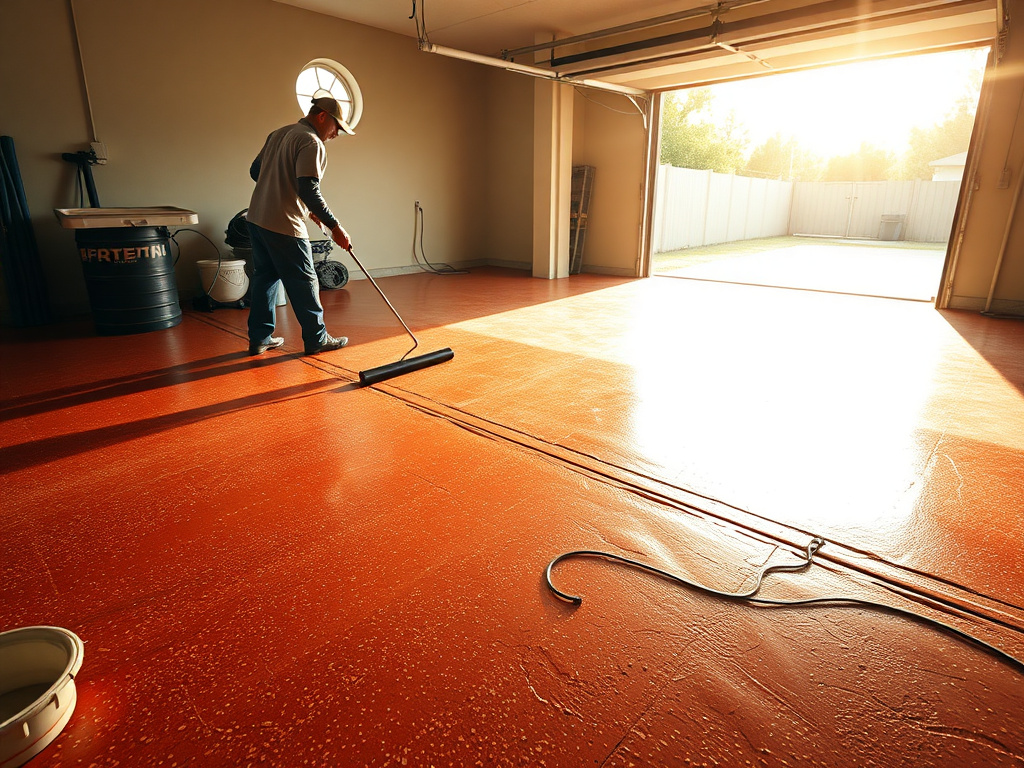
The same crew also sprays polyurea and polyaspartic systems — seamless, chemical- and UV-stable finishes for garage floors, pool decks, marine structures, containment berms, and vehicle beds, most residential jobs finished in a day.
- ✓Seamless polyurea / polyaspartic membrane
- ✓Aliphatic, UV-stable topcoats
- ✓Return to service the same day
- ✓Garage, patio, marine, industrial and fleet finishes
Services
What we lift & level
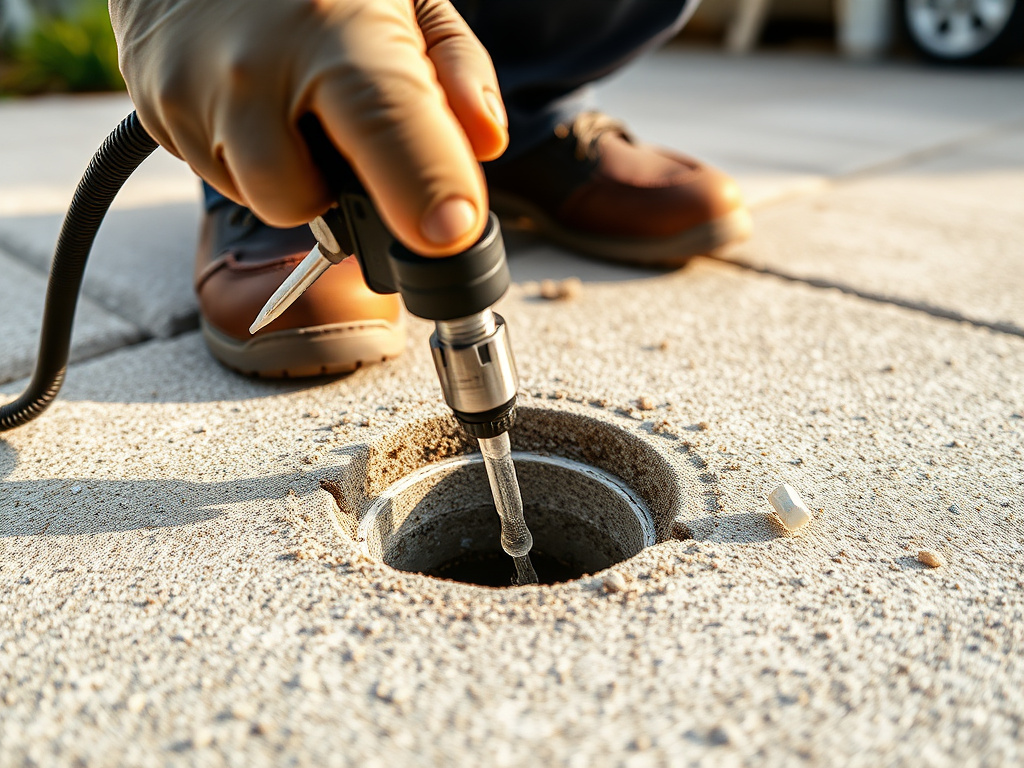
Polyurethane Concrete Lifting & Slab Leveling
Same-day, no-demolition slab lifting for sunken driveways, garage floors and patios settling on Florida's soft soil.
Explore this service →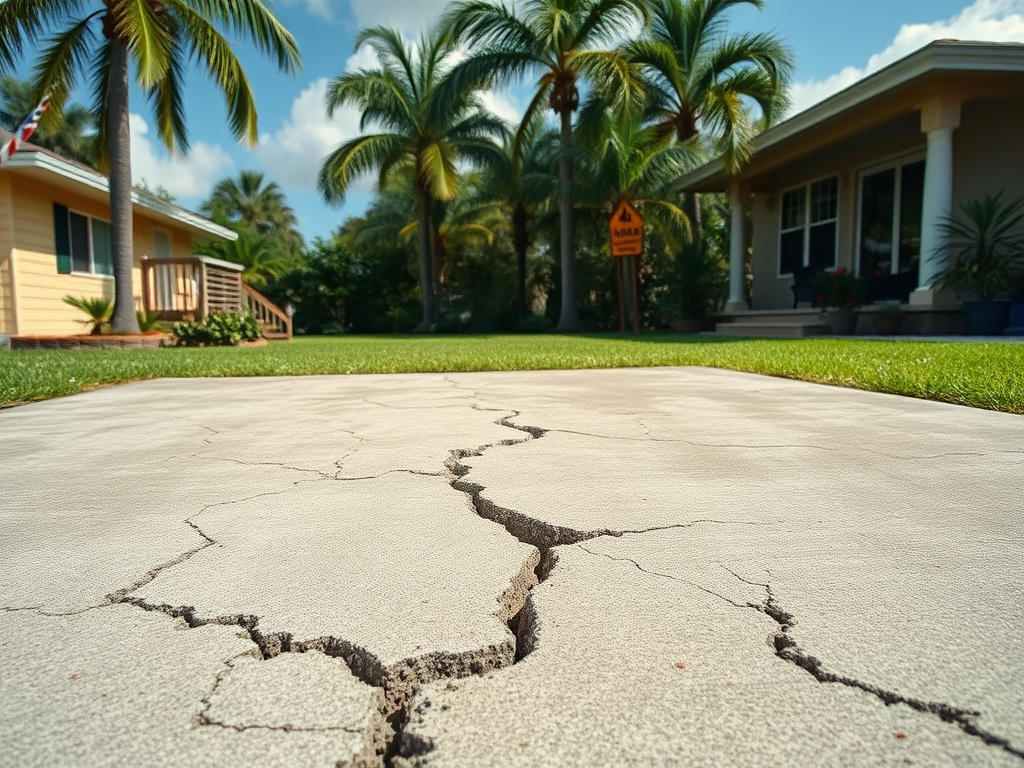
Sinkhole & Settlement Concrete Repair
Honest diagnosis and structural-fill-plus-injection repair for Florida's karst geology and Sinkhole Alley settlement.
Explore this service →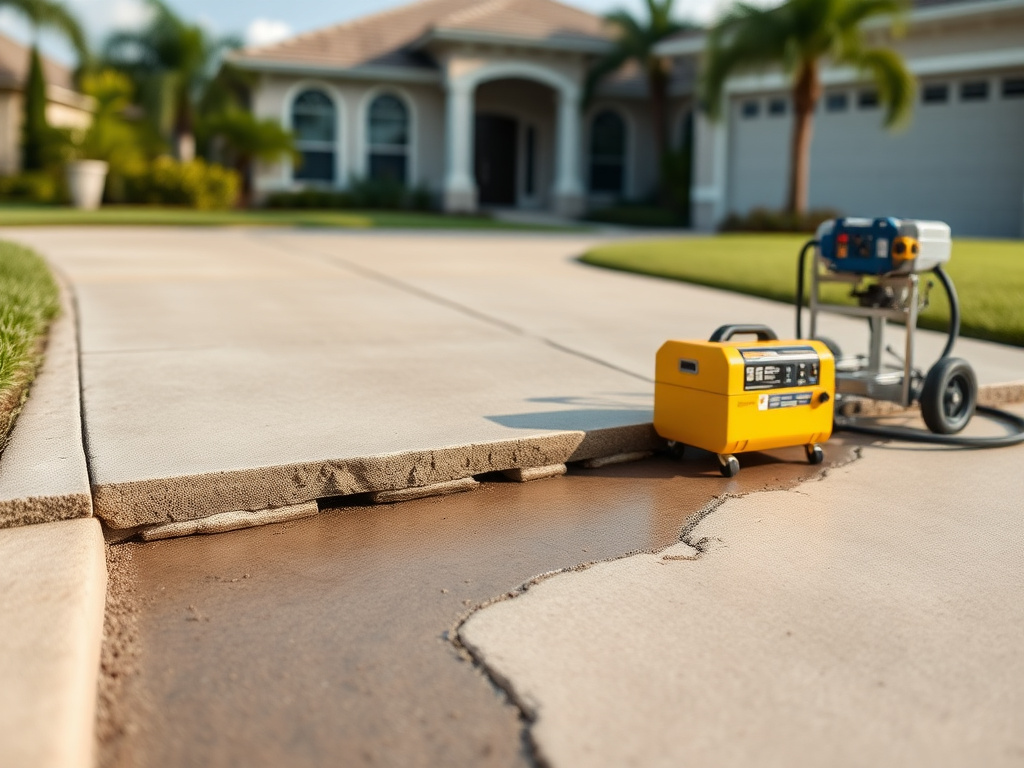
Driveway & Sidewalk Concrete Leveling
Panel-by-panel polyurethane leveling that fixes trip hazards on driveways, sidewalks and walkways in under a day.
Explore this service →Services
What we coat
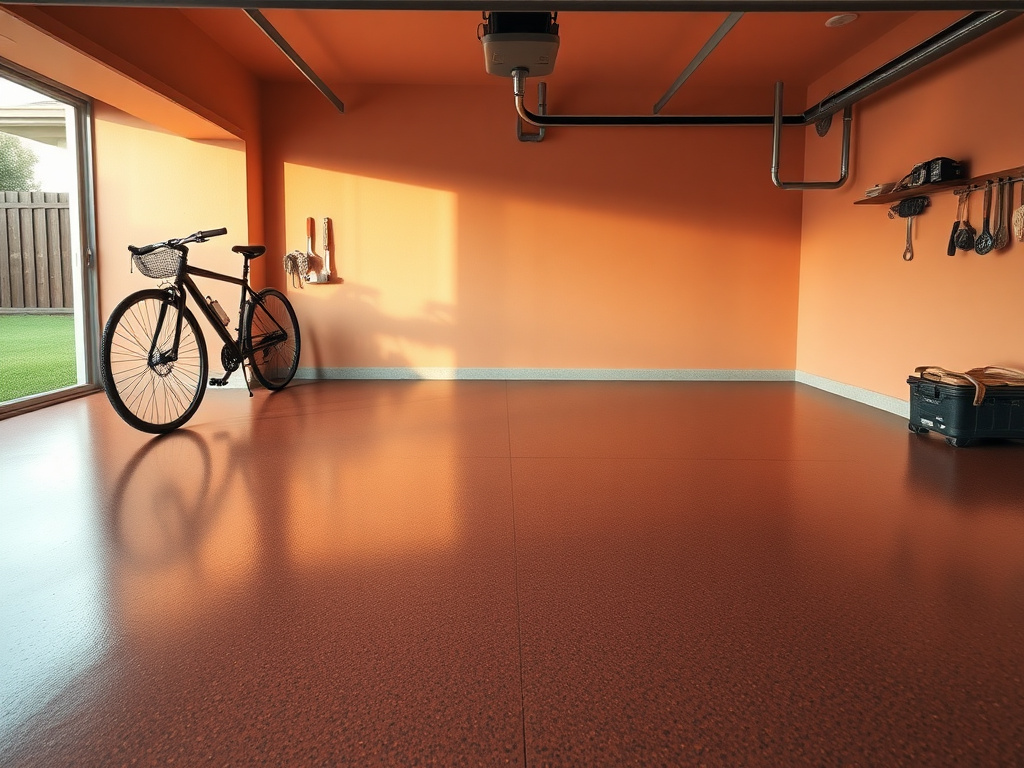
Polyurea Garage Floor Coatings
One-day polyaspartic flake systems built for Florida humidity, hot-tire pickup and moisture-vapor drive.
Explore this service →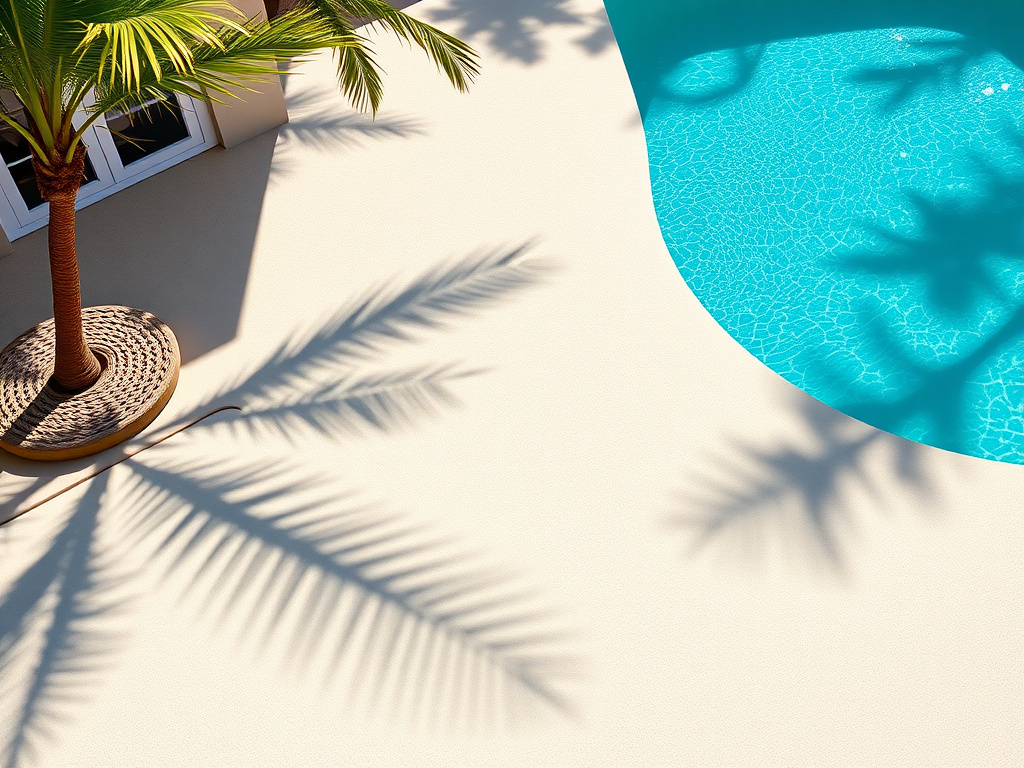
Pool Deck & Patio Coatings
UV-stable, slip-resistant polyaspartic finishes that survive full Florida sun, afternoon storms and pool chemistry.
Explore this service →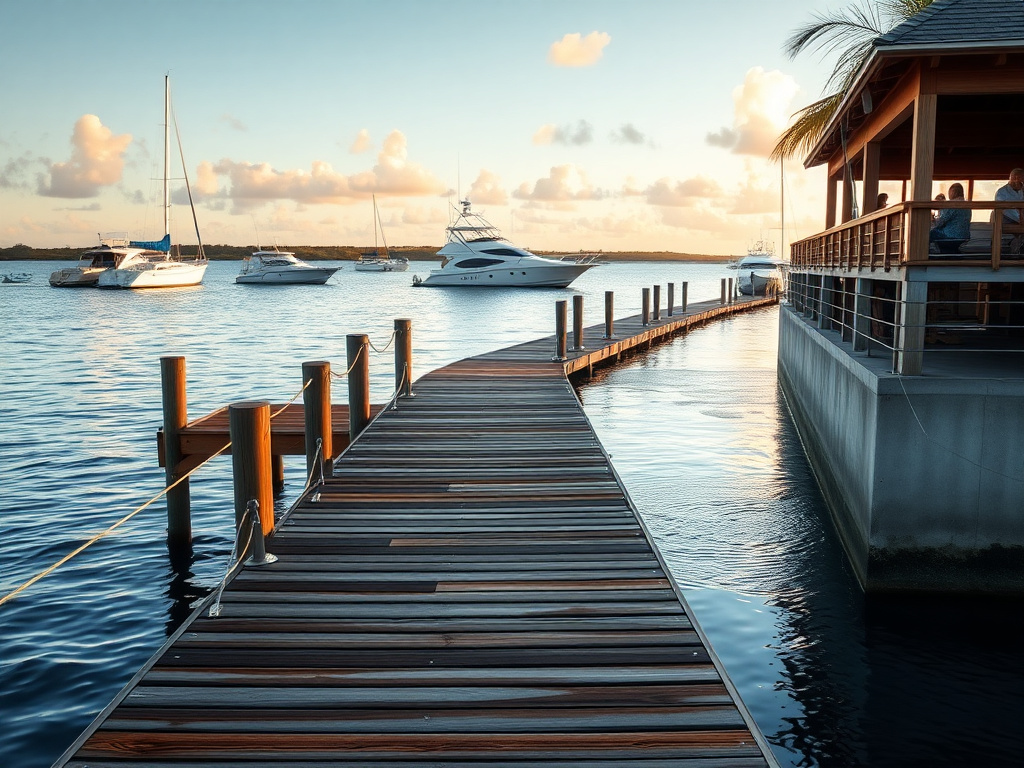
Marine, Dock & Seawall Coatings
Seamless polyurea membranes for seawalls, boat lifts and dock decking that shrug off saltwater and tidal cycling.
Explore this service →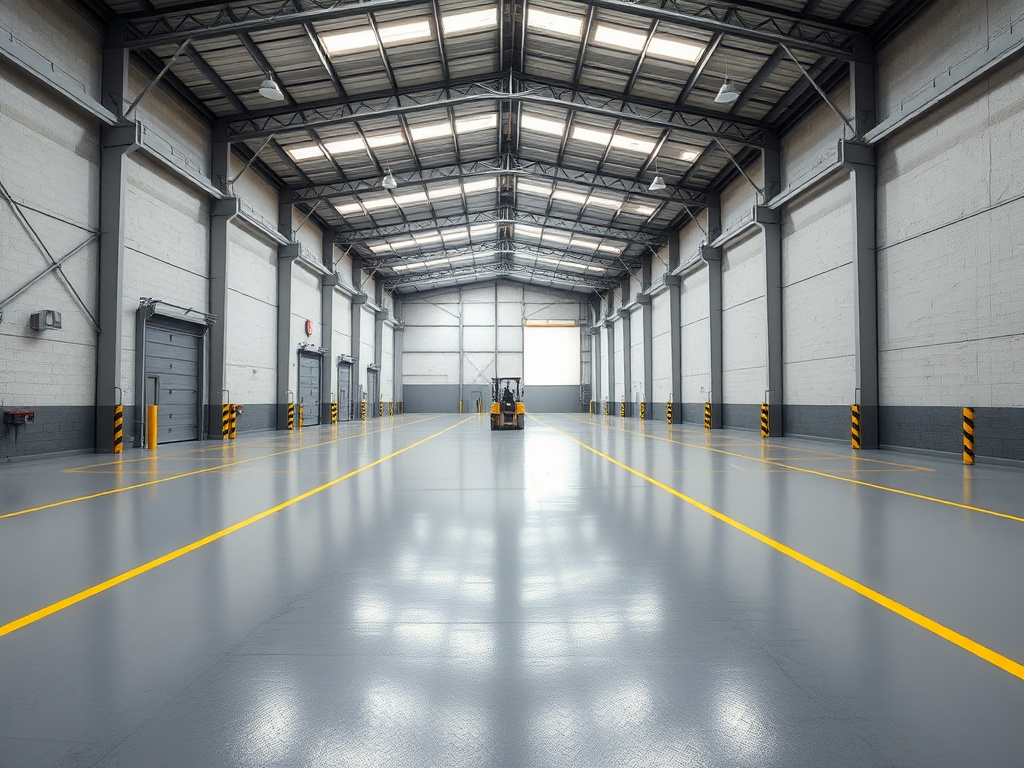
Warehouse & Industrial Floor Coatings
Seamless high-build systems for distribution centers, plants and commercial kitchens across Florida.
Explore this service →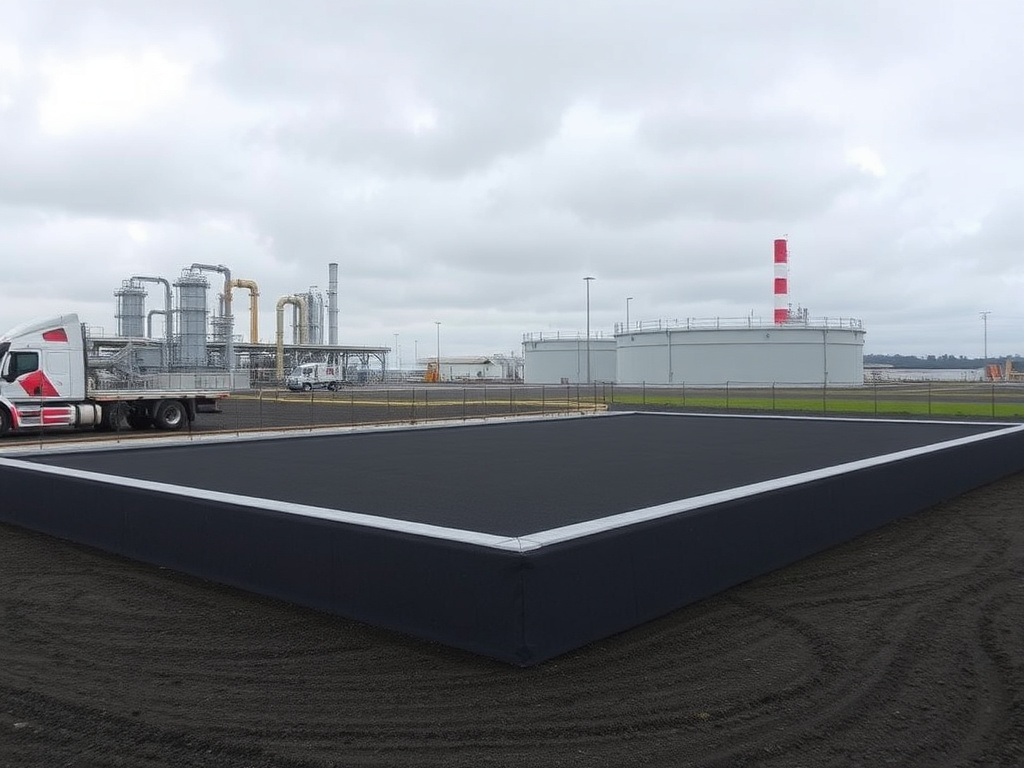
Secondary Containment & Tank Coatings
Monolithic chemical-resistant linings for berms, sumps, trenches and tank exteriors built for Florida's rainy season.
Explore this service →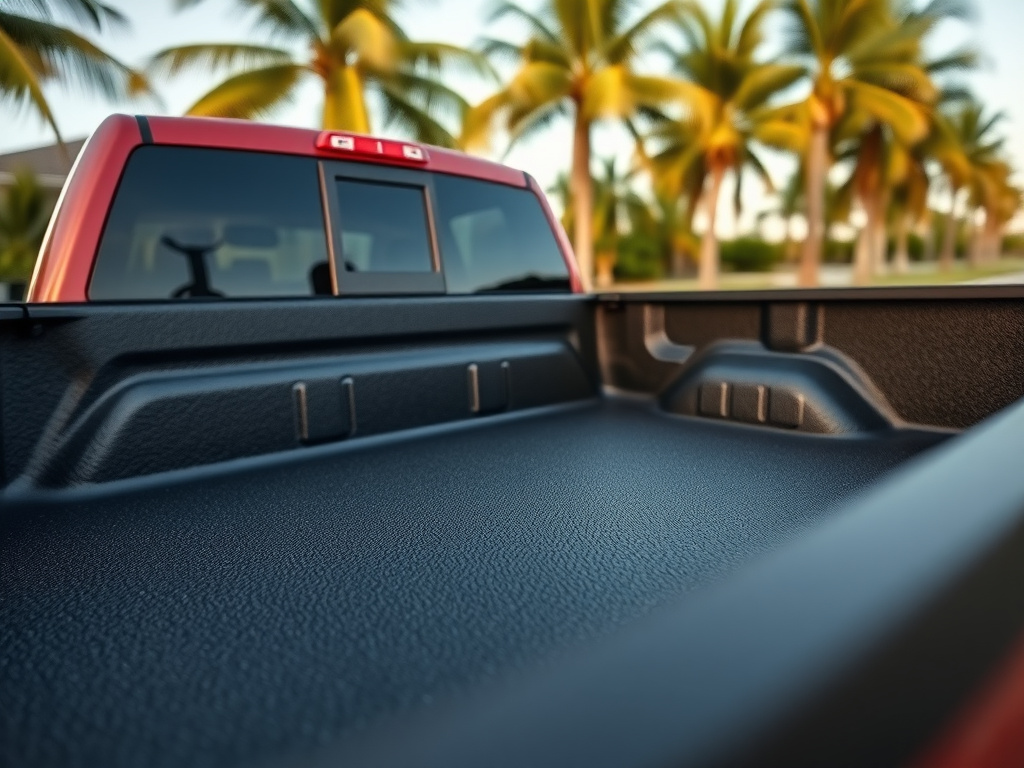
Truck Bed & Trailer Liners
Spray-in polyurea liners with real abrasion and salt-air resistance for beds, trailers and boat-trailer bunks.
Explore this service →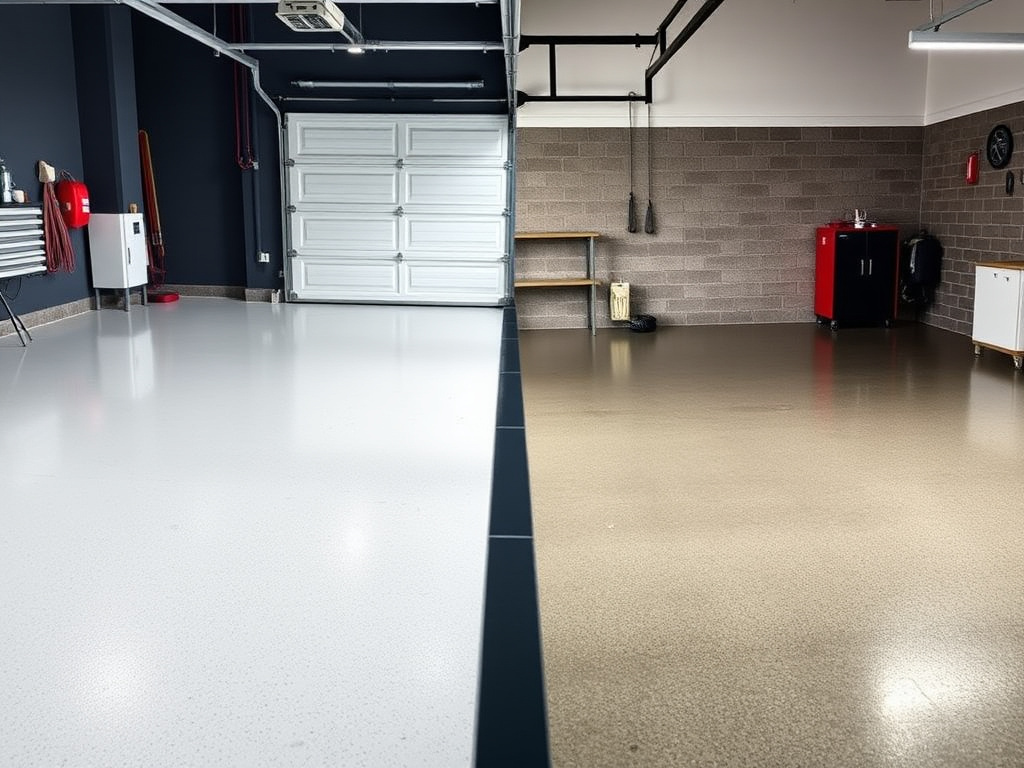
Polyurea vs epoxy
Why polyurea outperforms epoxy in a humid climate
Epoxy is sensitive to moisture during cure and slow to return to service — both real problems in a state with year-round humidity and a long rainy season. Polyurea gels in seconds, tolerates the moisture vapor coming up through a Florida slab far better, and finishes with an aliphatic topcoat that holds its color under the state's UV index instead of ambering the way standard epoxy does within a summer or two.
- ✓Cures in hours, not the 3–5 days epoxy needs
- ✓Far more tolerant of humidity and slab moisture vapor during install
- ✓Aliphatic topcoat resists UV ambering and chalking
- ✓Flexes with a moving slab instead of cracking off it
Lifting vs replacement
Concrete lifting vs slab replacement — which one actually fixes your slab
Replacement means demolition, disposal, forms, a fresh pour, and days of cure time before you can use the space again — and if the soil underneath was never addressed, a brand-new slab can eventually settle the same way the old one did. Polyurethane lifting skips the demolition entirely: it's typically a fraction of the cost, it's finished in hours instead of days, and because the foam is lightweight and moisture-resistant, it's a genuinely better long-term fit for Florida's soft, wet soil than a heavier repour on the same unaddressed ground.
See the full cost and timeline comparison →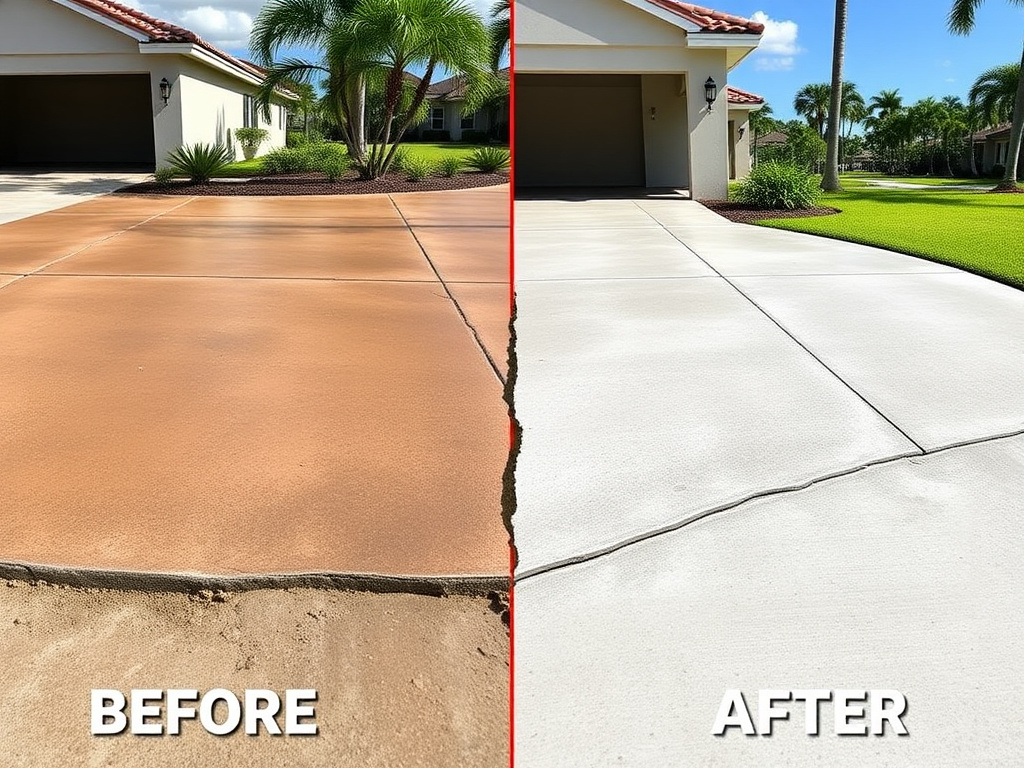
The lifting process
How polyurethane concrete lifting actually works
There's no jackhammer and no dumpster. A polyurethane lift is a small, controlled injection process from the first hole to the last footstep on a level slab — usually finished in a single visit.
Inspect
We assess the slab, check for void size and depth, and confirm whether this is ordinary settlement or something that needs a structural-fill step first.
Drill Small Holes
Small, dime-to-quarter-sized injection holes are placed in a precise pattern across the affected panel.
Inject Expanding Foam
High-density polyurethane foam is pumped beneath the slab, expanding to fill voids and compact loose soil as it cures.
Slab Rises in Minutes
The expanding foam lifts the slab back toward grade in real time, adjusted in small, controlled increments.
Walk On It Same Day
Injection holes are patched, joints are sealed, and the surface is ready for foot and vehicle traffic within hours.
The coating install
The one-day coating install
A coating failure is almost always a prep failure, not a material failure. That's why most of the day goes into what happens before the sprayer is ever turned on.
Grind
Diamond-grind the slab to open a real mechanical profile for the coating to bond to. No acid etching, ever.
Repair
Chase and fill cracks, patch spalls and low spots, and re-grind flush before anything gets sprayed.
Base Coat
Spray the polyurea or polyaspartic base at the specified mil thickness across the full surface.
Broadcast
Decorative flake or quartz is broadcast to refusal for texture, color, and slip resistance.
Topcoat & Cured
Scrape, vacuum, and apply the aliphatic UV-stable topcoat — ready for foot traffic that evening.
Built for the climate, not just the concrete
Built for humidity and salt air
A coating spec that works in a dry climate doesn't automatically work in Florida. Dew point, ambient humidity during cure, and near-constant UV exposure are design problems here, not edge cases, and they're why we don't treat every polyurea job as interchangeable with the next.
An aliphatic polyaspartic topcoat is the piece doing the most work outdoors — it's UV-stable, which means it holds color instead of yellowing under Florida's sun, and it stays flexible enough to move with a slab through a rainy season without cracking or lifting at the edges. The base polyurea underneath is far more tolerant of moisture than epoxy during application, which matters when you're trying to schedule a pool deck or patio around Florida's afternoon-storm pattern instead of around a dry forecast window that may not come for a week.
That combination — a moisture-tolerant base and a UV-stable topcoat — is why polyurea consistently outlasts epoxy and standard acrylic overlays on garage floors, pool decks, docks, and containment structures across the state, from the humid interior to full coastal salt-air exposure.
Statewide reach
Serving every corner of Florida — Sinkhole Alley to the coastline
We run crews statewide, but the work itself changes with the geography. In the west-central corridor — Pasco, Hernando, Hillsborough, Polk, Marion, and Alachua counties — karst limestone geology and Sinkhole Alley settlement drive most of the concrete-lifting calls. Along the coasts and in South Florida, sinkhole activity is much lower, but soft fill soil, high water tables, and hurricane exposure keep slabs, docks, and coatings under a different kind of pressure.
Same trucks, same crew, different specification depending on which problem your property actually has.
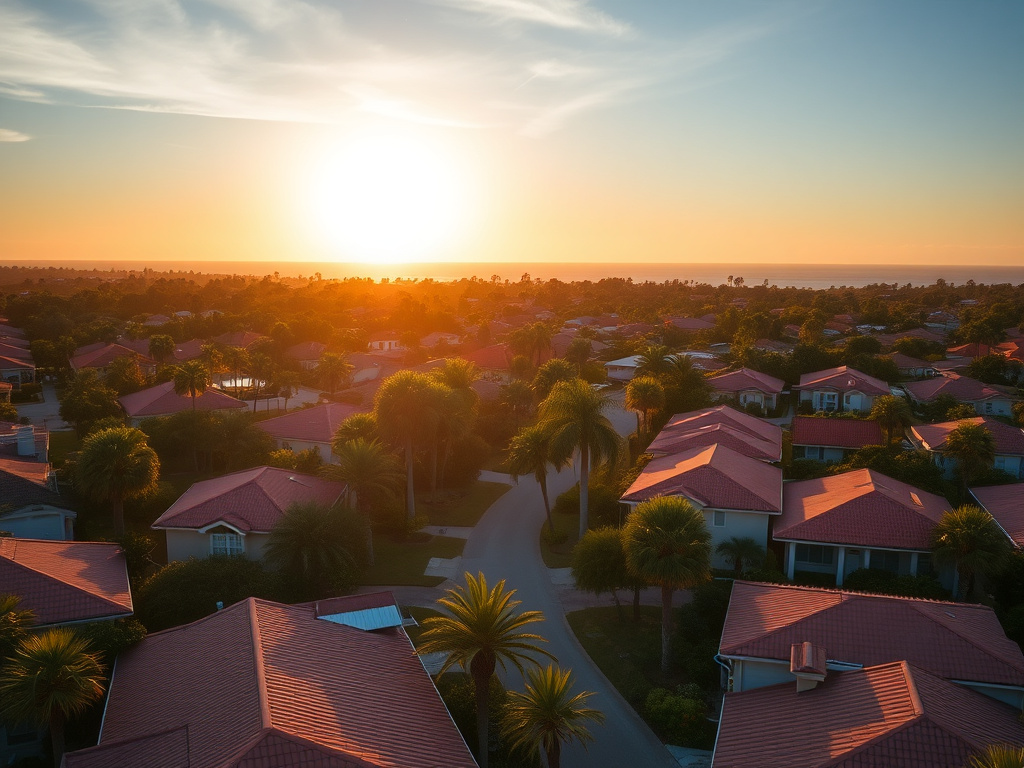
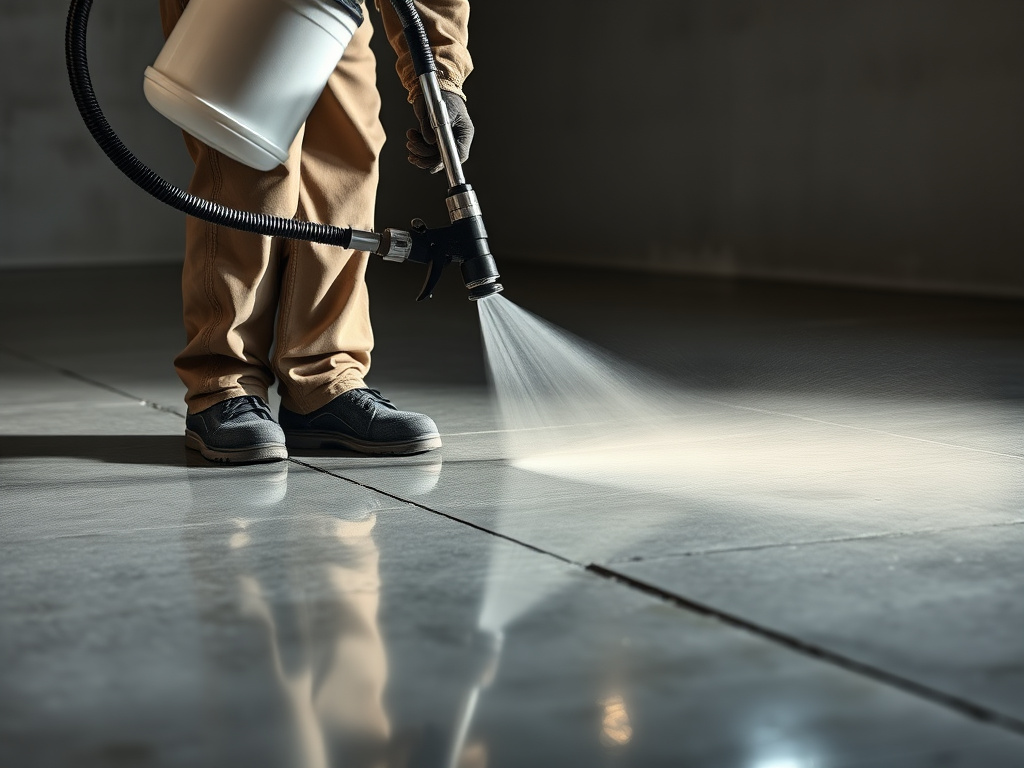
Residential
Garages, driveways, patios and pool decks
One-day coating turnarounds and same-day slab lifts, scheduled around your household rather than the other way around. Most homeowners call us after a sunken panel becomes a trip hazard or a DIY epoxy kit starts peeling in its first humid summer.
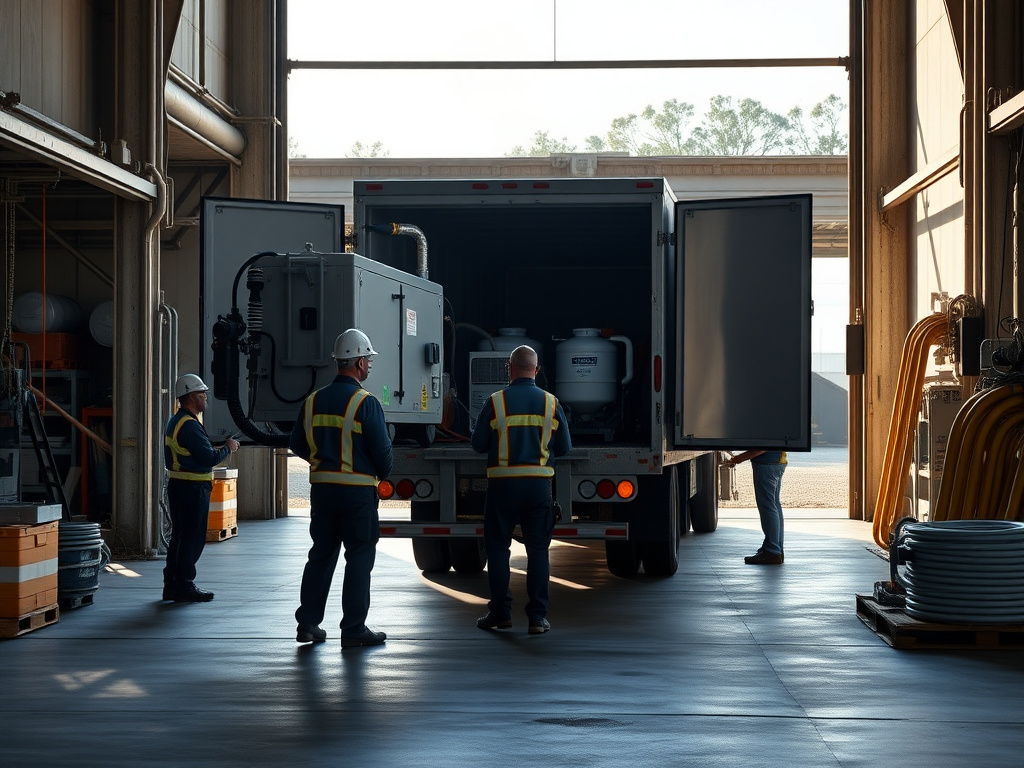
Commercial & Industrial
Warehouses, marinas, tanks and fleet
Facility and waterfront work is scheduled around your operation, not ours. Because both lifting and coating return to service quickly, we can phase a warehouse floor bay by bay or line a containment berm without shutting a site down for days.
Before and after
The work speaks for itself — a sunken panel, then a level one
Before
A cracked, sunken slab with a lip at the joint — the trip hazard, drainage problem, or eyesore that starts almost every call we get.
After
The same panel, lifted to grade, joints resealed, and back in service the same day — no repour, no demolition debris, no week of a roped-off driveway.
Straight answers
Questions Florida homeowners actually ask
Including cost, timeline, and whether your slab needs lifting at all. If a job isn't a good fit, we'd rather tell you before we quote it.
Read the full FAQHow much does polyurethane concrete lifting cost in Florida?
+
Typical Florida market ranges run about $5–$25 per square foot depending on void size, depth, and access. A single sunken slab can start around $500; a full driveway or patio-scale project usually lands between $1,700 and $4,000; large commercial slabs can run $20,000 or more. Every job gets an on-site inspection and an itemized number before any hole is drilled.
Is polyurethane lifting better than mudjacking on Florida soil?
+
In most cases, yes. Polyurethane foam is lightweight and moisture-resistant, so it adds very little new load to soil that's already soft or saturated. Traditional mudjacking uses a heavier cement slurry that can add enough weight to re-settle in the same wet, unstable ground that caused the sinking in the first place.
What is Sinkhole Alley, and am I in it?
+
Sinkhole Alley refers to the west-central Florida corridor — Pasco, Hernando, Hillsborough, Polk, Marion, and Alachua counties — sitting on karst limestone with the country's highest per-capita sinkhole activity. Outside that corridor, including South Florida, settlement is usually driven by soft fill soil and high water tables instead, and it's still worth a professional inspection.
How long does a polyurea garage floor coating take to install?
+
Most residential garages are a single day: grind in the morning, patch and prime, broadcast flake, and topcoat by afternoon. You can typically walk on it that evening and park on it the next day, which matters in a state where a garage often doubles as workshop and storage space year-round.
Will polyurea hold up better than epoxy in Florida's humidity?
+
Generally, yes. Polyurea's moisture-tolerant chemistry is far less sensitive to ambient humidity and slab moisture vapor during cure, and an aliphatic polyaspartic topcoat holds its color under Florida's UV index instead of ambering the way standard epoxy does over a few humid summers.
Get a free inspection & quote
Tell us what's sinking, cracking, or wearing out — driveway, garage floor, pool deck, or a commercial slab. We'll come back with a scoped, itemized number, no obligation.